Gut health plays a vital role in overall wellness. Your digestive system is responsible not only for breaking down food, but also for absorbing nutrients, supporting immune function, and helping regulate inflammation throughout the body. When your gut is balanced, digestion feels smoother and more comfortable. When it’s not, issues like bloating, irregularity, discomfort, or fatigue can follow. One of the most effective ways to support your gut is through consistent food choices. Certain foods help nourish beneficial bacteria, strengthen the gut lining, and promote balanced digestion over time. Below are five of the best foods for gut health and how they support your digestive system.
*𝗔𝗳𝗳𝗶𝗹𝗶𝗮𝘁𝗲 𝗗𝗶𝘀𝗰𝗹𝗼𝘀𝘂𝗿𝗲: Some links may be affiliate links.
Yogurt

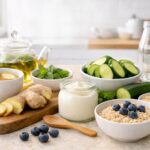
Yogurt is one of the most accessible probiotic-rich foods available. It contains live cultures, beneficial bacteria that help maintain balance in the gut microbiome. These probiotics assist in breaking down food, supporting nutrient absorption, and helping crowd out less beneficial microbes.
Regular consumption of yogurt may support smoother digestion and help maintain microbial diversity in the gut. It can be especially helpful after periods of digestive disruption or dietary imbalance.
In addition to probiotics, yogurt provides protein and calcium, making it a nutrient-dense option that supports both digestive and overall health. For best results, plain and unsweetened varieties are generally preferred, as added sugars can work against gut balance.
Helpful additions to make yogurt easier to include:
- If yogurt is part of your routine, Greek yogurt (Amazon) offers higher protein content.
- A set of reusable yogurt bowls can simplify daily prep.
-
For variety, plain yogurt pairs well with fruit or oats.
Kefir

Kefir is a fermented dairy drink similar to yogurt, but often contains a broader range of probiotic strains. This diversity can help support a more resilient gut microbiome. A diverse gut environment is typically associated with improved digestion and overall balance.
Because kefir is fermented for longer periods, it may be easier to digest than regular milk for some individuals. Its liquid consistency makes it easy to incorporate into smoothies or drink on its own.
Kefir also contains beneficial compounds produced during fermentation that may help support gut lining integrity and digestive comfort. Including kefir a few times per week can be a simple way to increase probiotic intake naturally.
Helpful additions for adding kefir regularly:
- Plain kefir (Amazon) is ideal for minimizing added sugars.
- A blender makes kefir easy to incorporate into smoothies.
-
Smaller bottles help with portion control.
Sauerkraut

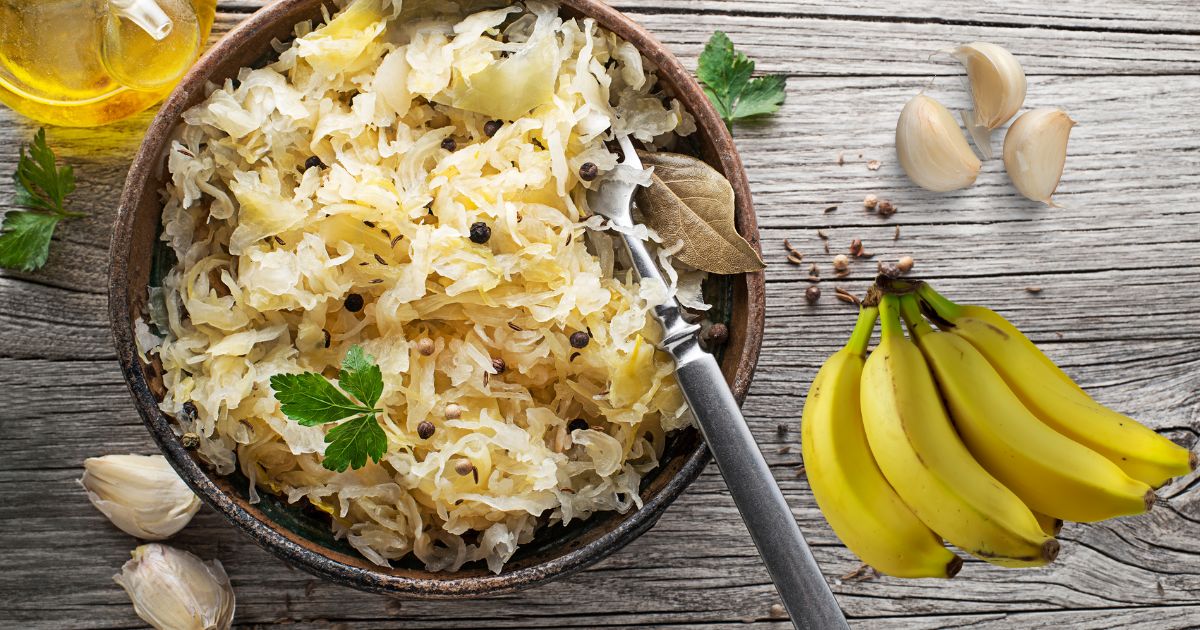
Sauerkraut is fermented cabbage that provides both probiotics and fiber. During fermentation, beneficial bacteria develop naturally, supporting microbial balance. Meanwhile, the fiber in cabbage acts as nourishment for those bacteria once they reach your digestive system.
This combination of probiotics and fiber makes sauerkraut especially supportive for gut health. Fiber helps maintain regular digestion and promotes microbial diversity. The fermentation process also creates beneficial compounds that may support digestive comfort.
When choosing sauerkraut, unpasteurized varieties tend to retain more active cultures, as pasteurization can reduce probiotic content. Adding small portions to meals is usually sufficient. Consistency matters more than quantity.
Helpful additions for using sauerkraut consistently:
- Glass storage jars (Amazon) help keep fermented foods fresh.
- Small servings added to meals can support digestion without overwhelming the palate.
- Fermented vegetable mixes offer variety beyond cabbage.
Bananas

Bananas are rich in prebiotic fiber, which helps feed the beneficial bacteria already living in your gut. While probiotics introduce helpful bacteria, prebiotics nourish them, making bananas a valuable complement to fermented foods.
Bananas are also gentle on digestion and are often well tolerated when the digestive system feels sensitive. They can help support regular bowel movements and provide steady energy without irritating the gut.
Slightly underripe bananas contain resistant starch, a type of prebiotic fiber that passes through digestion and feeds beneficial microbes in the colon. Including bananas regularly can help support long-term microbial balance.
Helpful additions for bananas:
- A Banana Hanger (Amazon) makes bananas accessible and countertops clean.
- Bananas pair well with yogurt or oats for gut-friendly meals.
- Freezing bananas makes them convenient for smoothies.
Garlic
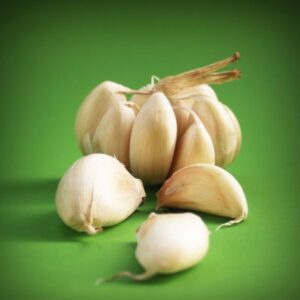
Garlic acts as a natural prebiotic, feeding beneficial gut bacteria and supporting microbial diversity. It contains compounds such as inulin and fructooligosaccharides, which serve as fuel for helpful microbes in the digestive tract.
In addition to its prebiotic properties, garlic contains naturally occurring compounds that may help maintain microbial balance within the gut. Used consistently in cooking, garlic can quietly support digestive health without the need for supplements.
Light cooking preserves many of its beneficial properties while making it easier to digest. Using garlic regularly in meals is a practical way to support gut health long-term.
Helpful additions for cooking with garlic:
- A garlic press (Amazon) can save time during meal prep.
- Fresh garlic bulbs offer stronger prebiotic benefits than powders.
- Light cooking preserves beneficial compounds.
Final Thoughts
Gut health improves through consistent, supportive habits. Foods like yogurt, kefir, sauerkraut, bananas, and garlic provide a balance of probiotics and prebiotics that help nourish beneficial bacteria and support digestion naturally.
Rather than relying on quick fixes, focus on incorporating these foods regularly. Over time, small, steady choices can support a healthier, more balanced digestive system.