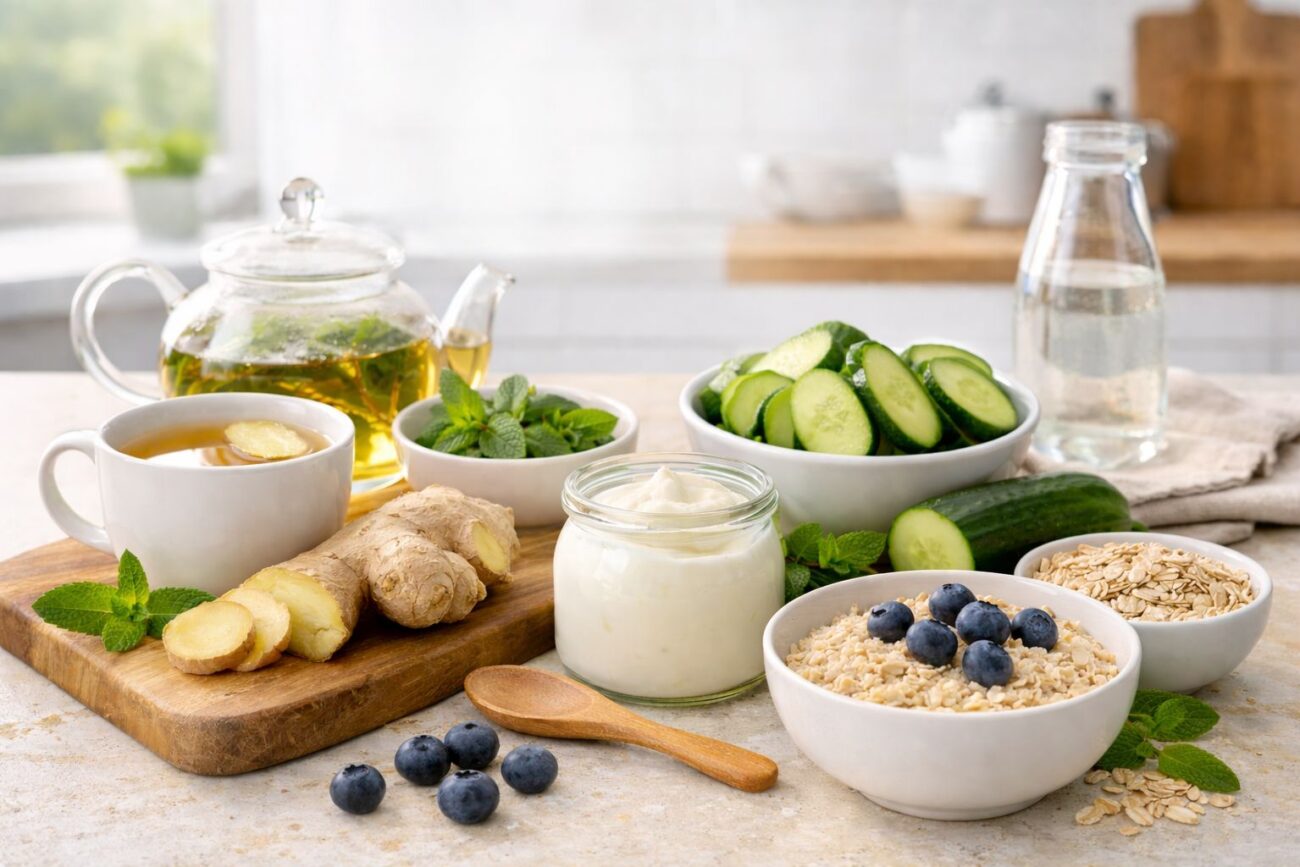
Bloating can make your stomach feel tight, swollen, and uncomfortable. It often happens when gas builds up in the digestive system or when digestion slows down after certain meals. While occasional bloating is common, frequent bloating can disrupt daily comfort and leave you feeling sluggish or heavy Fortunately, some foods may help support smoother digestion and reduce the likelihood of gas buildup. Instead of eliminating large portions of your diet, adding digestion-supportive foods can be a practical and sustainable way to improve digestive comfort. Below are five foods that may help support digestion and reduce bloating naturally.
Affiliate Disclosure: Some links may be affiliate links. As an Amazon Associate, we may earn from qualifying purchases.
Ginger

Ginger has long been used to support digestion. It contains natural compounds that may help stimulate digestive movement, allowing food and gas to move through the digestive tract more efficiently.
When digestion slows down, gas can accumulate in the stomach and intestines, leading to bloating and discomfort. Ginger may help support digestive motility, which can reduce that buildup and promote smoother digestion.
Fresh ginger can be added to warm tea, grated into meals, or blended into smoothies. Even small amounts used regularly may help support digestive balance.
Helpful additions to support this habit:
- Fresh ginger root makes it easy to prepare ginger tea at home.
- A fine grater (Amazon) can simplify adding ginger to meals.
- A glass tea infuser mug can make daily ginger tea preparation easier.
Peppermint

Peppermint is commonly used to support digestive comfort because it may help relax the muscles of the gastrointestinal tract. When these muscles relax, trapped gas may move through the digestive system more easily.
This is one reason peppermint tea is often recommended after meals when bloating tends to occur. The warmth of the tea combined with peppermint’s natural properties may help calm digestive discomfort.
Peppermint can be consumed as tea or incorporated into certain dishes for a refreshing digestive boost.
Tools that support this habit:
- Peppermint tea bags (Amazon) make it easy to enjoy peppermint after meals.
- A stainless steel tea kettle (Amazon) can simplify preparing herbal teas regularly.
- Glass tea mugs help keep herbal tea warm longer.
Yogurt with Live Cultures

Yogurt that contains live and active cultures provides probiotics, beneficial bacteria that may help support a balanced gut microbiome.
When the gut microbiome becomes imbalanced, excess gas production can occur during digestion, contributing to bloating. Including probiotic foods like yogurt may help support microbial balance over time.
Plain, unsweetened yogurt tends to be the better choice because added sugars may contribute to digestive discomfort in some individuals.
Helpful additions to make this easier:
- Yogurt with live cultures (Amazon) provides probiotic support.
- Reusable yogurt bowls can simplify daily preparation.
- Glass food containers help with portioning yogurt for snacks.
Cucumber
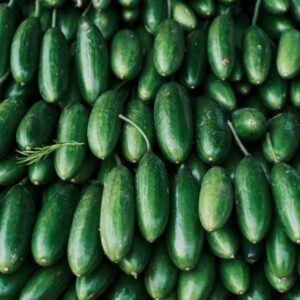
Cucumbers are light, hydrating, and easy to digest. Because they contain a high water content, they may help support fluid balance in the body.
Some types of bloating are related to water retention rather than gas. Hydrating foods like cucumbers may help support fluid balance and reduce that puffy, swollen feeling.
Their mild flavor also makes them easy to add to salads, sandwiches, or snacks without overwhelming a meal.
Simple tools that help with preparation:
- A vegetable slicer (Amazon) can make preparing cucumbers quick and easy.
- Glass salad containers help store sliced vegetables for the week.
- A salad spinner (Amazon) can keep cucumbers fresh and crisp.
Oatmeal

Oatmeal contains soluble fiber, which may help support regular digestion when consumed in moderate amounts. Regular bowel movements can help prevent the buildup of gas and digestive pressure that contributes to bloating.
Soluble fiber forms a gel-like substance in the digestive tract that supports smoother digestion. However, fiber intake should increase gradually, as adding too much too quickly may initially cause bloating.
Simple oatmeal prepared with minimal ingredients tends to be easiest on the digestive system.
Practical kitchen essentials:
- Steel-cut oats offer a minimally processed oatmeal option.
- Glass meal prep containers help prepare oatmeal ahead of time.
- A small saucepan (Amazon) makes daily oatmeal preparation simple.
Additional Supportive Foods for Bloating
• Bananas: Bananas provide potassium, which may help support fluid balance and reduce bloating related to sodium intake.
• Fennel: Fennel is used to support digestion and reduce gas.
• Papaya: Papaya contains enzymes that may help support protein digestion.
• Pineapple: Pineapple contains bromelain, an enzyme that may help support digestive comfort.
• Warm Herbal Tea: Herbal teas like chamomile or ginger tea may help calm digestion.
Final Thoughts
Sluggish digestion often causes bloating. Supporting digestion with foods like ginger, peppermint, yogurt, cucumber, and oatmeal may help reduce gas buildup and promote digestive comfort.
Instead of focusing only on what to avoid, consider incorporating foods that support digestion. Small, consistent dietary habits can play a meaningful role in helping your stomach feel more comfortable and balanced over time.